
North Brisbane pest control
Silverfish control in Brisbane
The insects chewing through your books, linen, and stored papers, treated at the harbourage for homes and businesses across North Brisbane. We reach the wardrobes, cupboards, and cavities they hide in, and help you dry the home out.
QBCC licensed 15483371
Family owned and operated
Overview
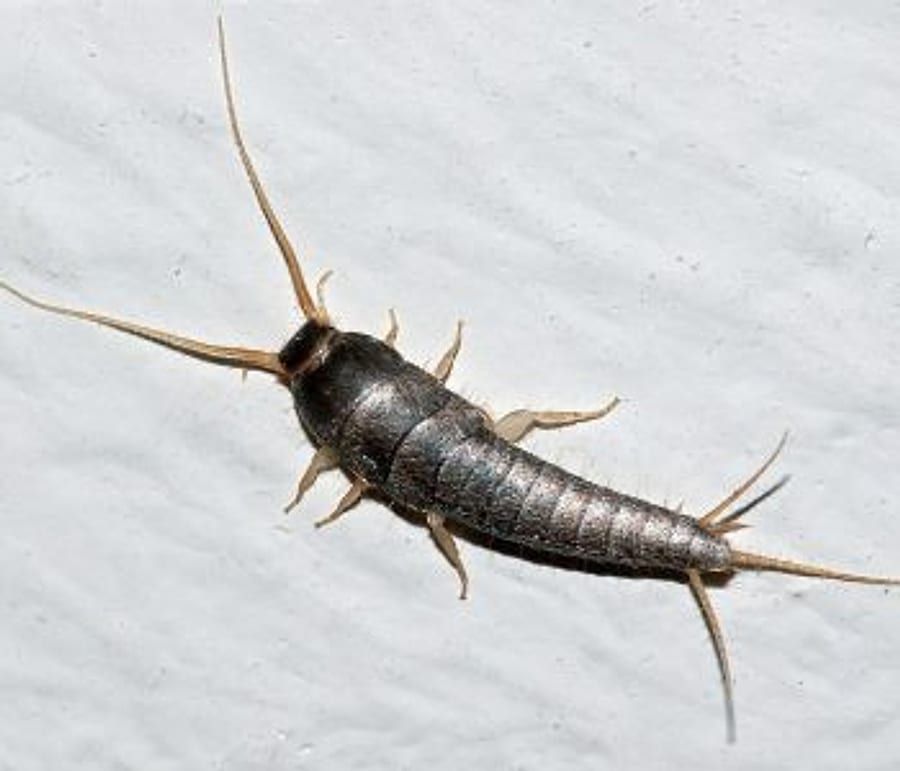
Silverfish are the quiet damage-doers of a Brisbane home. You find them in wardrobes, bathrooms, linen cupboards, and storage boxes, and often the first sign is not the insect itself but the harm it leaves: yellowed pages, holes in stored papers, nibbled photos, and small notches chewed from linen and clothing.
They are drawn to humidity and to dark, undisturbed spots, which suits our climate for much of the year. They feed on the starches and cellulose in paper, cardboard, wallpaper, books, and natural fabrics, so a still cupboard packed with stored belongings is close to a perfect home for them.
Our approach treats the harbourage and the voids where silverfish actually live, not just the surfaces you see them cross. The technician targets the cracks, wall voids, and cupboard backs, then advises on reducing the moisture and clutter that let them settle. Silverfish are often picked up within a general pest treatment, and heavier or long-established problems are handled as their own targeted job.
At a glance
Service
Silverfish control
Best for
Homes with silverfish in wardrobes, bathrooms, and storage
Includes
Targeted treatment with moisture and prevention advice
Booking
Call 1300 349 177 or book online
01
Where silverfish hide, and how we treat it
Silverfish shelter in the dark and the damp: the backs of wardrobes and linen cupboards, behind skirting and architraves, and inside storage boxes. Surface spraying misses them, because they retreat into cracks and cavities between feeds.
We place treatment into those harbourage points and voids directly, so the population is dealt with where it lives rather than where it happens to be seen.

02
The damage they do
Silverfish feed on cellulose and starch, which puts your paper and fabric belongings at risk: books, letters and documents, photographs, wallpaper, and the natural fibres in linen and clothing. The damage builds slowly in cupboards and boxes that sit undisturbed.
By the time you notice the holes and yellowing, an established group has usually been feeding for a while, which is why treating early protects the things you would rather not replace.
03
Moisture and clutter, the real cause
Silverfish need humidity, so a home that stays damp keeps drawing them back. Poorly ventilated bathrooms, closed-up linen cupboards, and warm roof spaces all hold the moisture they look for.
We point out the damp and clutter feeding the problem and talk through practical fixes: better ventilation, a dehumidifier in the worst rooms, and clearing out the long-undisturbed boxes where silverfish breed undisturbed.
04
Prevention that keeps them out
Once the current population is cleared, a few habits keep the next lot from settling in. Store books, photos, and important papers in sealed plastic containers rather than open cardboard, which silverfish both eat and hide in.
Keep damp rooms ventilated, run a dehumidifier where the air stays heavy, and go through stored boxes now and then rather than leaving them sealed for years. A drier, less cluttered home is a poor home for silverfish.
Safety and property care
Safe treatment, and care for your home
Because silverfish treatment goes into cupboards, wardrobes, and the shelves holding your books and linen, it is placed carefully so it protects those belongings rather than putting them at risk.
Cracks and voids, not open shelves
Registered product is placed into cupboard backs, skirting gaps, and concealed harbourage rather than across the open shelves where books and linen actually sit.
Kept clear of family reach
Treated points are chosen away from where children and pets spend time, and we tell you exactly what to keep clear and for how long.
Belongings left undisturbed
The technician works around stored boxes and wardrobe contents rather than emptying them out, so treatment does not turn into a bigger clean-up job.
Simple drying-out advice after
Once treatment is done, ventilating the cupboard or running a dehumidifier for a day or two helps it hold, without needing to repack or relocate anything stored inside.
Licensed, accredited, trusted
Credentials you can verify
Every treatment is carried out by a QBCC-licensed, accredited technician. We list our licence and accreditation details so homeowners, landlords, and property managers can verify them directly.
Customer reviews
Brisbane households trust Bruin
Excellent
★★★★★
4.9 based on 269 reviews
1 / 35
Common questions
Pest and termite questions, answered
What draws silverfish into a home?
Humidity and dark, undisturbed spots. Silverfish thrive in the damp, still air of bathrooms, linen cupboards, wardrobes, and storage boxes, which is exactly what Brisbane's climate offers for much of the year. They feed on the starches and cellulose in paper, cardboard, wallpaper paste, and natural fabrics, so a quiet cupboard full of stored books or linen is close to ideal for them.
Do I need a professional, or can I handle silverfish myself?
For a stray one or two, reducing moisture and clutter often does the job. A professional treatment matters once you are finding them regularly or spotting damage, because silverfish harbour deep in wall voids, skirting gaps, and the backs of cupboards where a surface spray never reaches. We treat those harbourage points directly, then advise on the ventilation and storage changes that keep them from returning.
Is silverfish treatment safe around children and pets?
Yes, when done properly. We place registered products into the cracks, voids, and harbourage points where silverfish live, not across open surfaces where children and pets spend time. We tell you which areas to keep clear and for how long, usually just until the treatment dries. If anyone in the home has particular sensitivities, let us know first and we adjust the approach.
How much does silverfish treatment cost?
Silverfish are often covered within a general pest treatment, which starts from $180 for a standard home, so many households deal with them as part of routine cover rather than a separate call. A dedicated silverfish treatment for a heavier problem is quoted to the job, depending on the size of the home and how far the harbourage extends into the wall voids and cupboards.
How do I stop silverfish coming back?
Cut the humidity and the clutter. Ventilate bathrooms and linen cupboards, run a dehumidifier in damp rooms, and keep roof spaces as dry as you can. Store books, photos, and important papers in sealed containers rather than open cardboard, and clear out long-undisturbed boxes where silverfish breed. Treatment clears the current population; these changes make the home far less inviting for the next.
Related services
Protect your books, linen, and papers
Book online, or call the family-owned team and tell us where you are seeing them. We treat the cupboards and cavities they hide in and help you dry the home out.