
On this page · 6 sections
Every Brisbane home has some termite risk. Some have more than others, and the reasons are usually about how the house was built and what's around it. This guide walks through the main risk factors, from stumps to slab edges to the garden bed against the wall, so you know where to look.
Is Brisbane high risk for termites?
Yes. Queensland is treated as termite-prone under Australian building rules, and Brisbane's warm, wet climate means colonies don't slow down much over winter. CSIRO's termite research is the main public reference on how these insects live and spread.
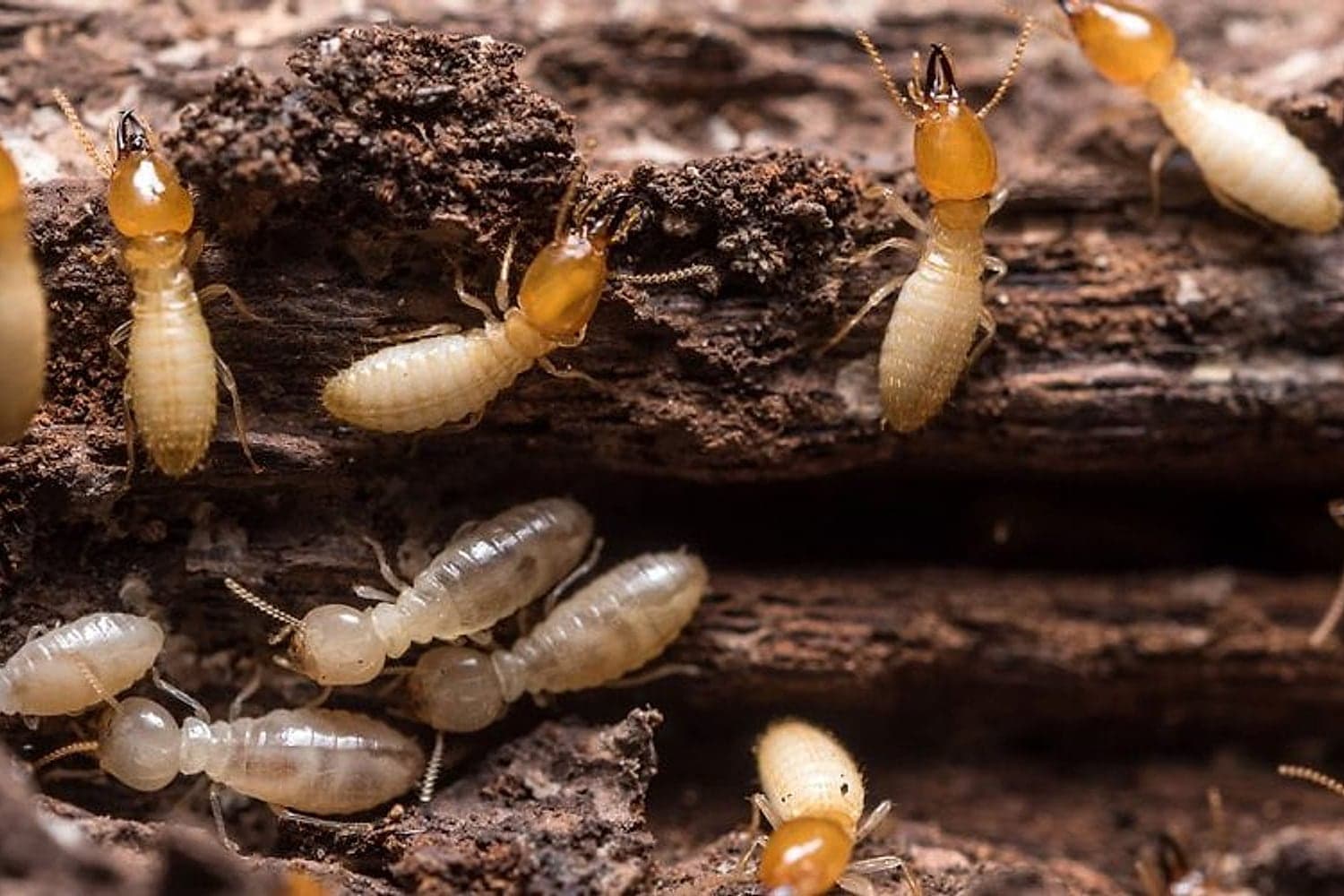
Three groups turn up in south-east Queensland homes. Coptotermes are widely regarded as the most damaging group in Australia. Schedorhinotermes are also subterranean and can attack a house. Nasutitermes build nests in trees and stumps and can reach a house along covered trails. The species matters because it changes where the colony is and how we treat it.
We haven't published a ranking of Brisbane suburbs by termite numbers, because there's no public study we'd trust to back it. Risk follows the house and its surroundings much more than the postcode.
Which types of house are most at risk?
Every construction type has a weak spot. The table shows the common ones we see in Brisbane.
| House type | Why it's exposed | Where to look |
|---|---|---|
| Queenslander on stumps | Timber floors and frames close to the ground, older stumps, open subfloor | Stumps, piers, bearers, underside of floor |
| Low-set timber home | Little gap between soil and timber | Base of walls, steps, ventilation grilles |
| Brick on slab | Termites hide in slab edges, joints and gaps | Slab edge, weep holes, pipe and conduit entries |
| Extension or renovation | Old and new slabs meet, and barriers may not join up | Join line, new door thresholds, deck posts |
| Home with decks and pergolas | Timber in contact with soil links to the house | Post bases, steps, timber next to the wall |
Why slab edges and extensions catch people out
A slab-on-ground home built to AS 3660.1 should have a termite barrier and a strip of slab edge left visible so an inspector can see if termites are working across it. Over the years that strip often gets covered by garden beds, paving, render or a new deck.
When that happens, termites can travel behind the covering and enter through a small gap in the slab or a pipe entry, and nobody sees a thing. Extensions add another risk. The barrier around the old part of the house may stop at the join, so the new section can be unprotected or protected differently. Ask whoever built the extension what termite management went in, and get it in writing.
How do moisture and landscaping change the risk?
Termites go where there's water and food. A house that keeps giving them both will get visited. Look for these.
- Leaking taps, showers, hot water overflow pipes and air-conditioner drain lines.
- Downpipes and gutters that dump water at the base of a wall.
- Garden beds or mulch banked above the slab edge or against timber.
- Stored timber, firewood, old sleepers and stumps left in the yard.
- Retaining walls, garden edging and pergola posts touching the house.
- A damp, poorly ventilated subfloor after the wet season.
Fixing these won't remove the risk, but it takes away what draws termites in.
Do bushland and creek lines matter?
They can. Streets that back onto bushland, creek lines or parks sit close to a lot of timber and soil where colonies live. That's one reason we tell owners in places like Albany Creek and Eatons Hill not to wait long between inspections.
But suburbs with no bush aren't safe. Older streets have old stumps, buried timber and fences that hold colonies too. Nasutitermes nests in mature street trees are a common source. Treat every Brisbane address as one that needs regular checks.
What should a Brisbane owner do about it?
Start with the basics, then add protection that suits the house.
- Book a termite inspection to AS 3660 at least every twelve months, and keep the written report.
- Uncover the slab edge and keep the visible strip clear of soil, mulch and paving.
- Fix leaks and drainage so the ground around the house dries out.
- Move stored timber, old stumps and sleepers away from the house.
- Ask about a termite management system. Bruin installs Trelona ATBS baiting and Termidor treated zones, with ongoing monitoring, and quotes per property after inspection.
- Ask any builder who does an extension what termite barrier they put in and how it joins the old one.
Our knowledgebase articles on the signs of termites and on termite mud tubes explain what to look for between inspections.
Sources and further reading
- Brisbane City Council (opens in a new tab)brisbane.qld.gov.au
General information for South East Queensland conditions. Every property is different; a licensed inspection is the only way to know what is going on in yours.