
On this page · 5 sections
Protecting the property as an asset
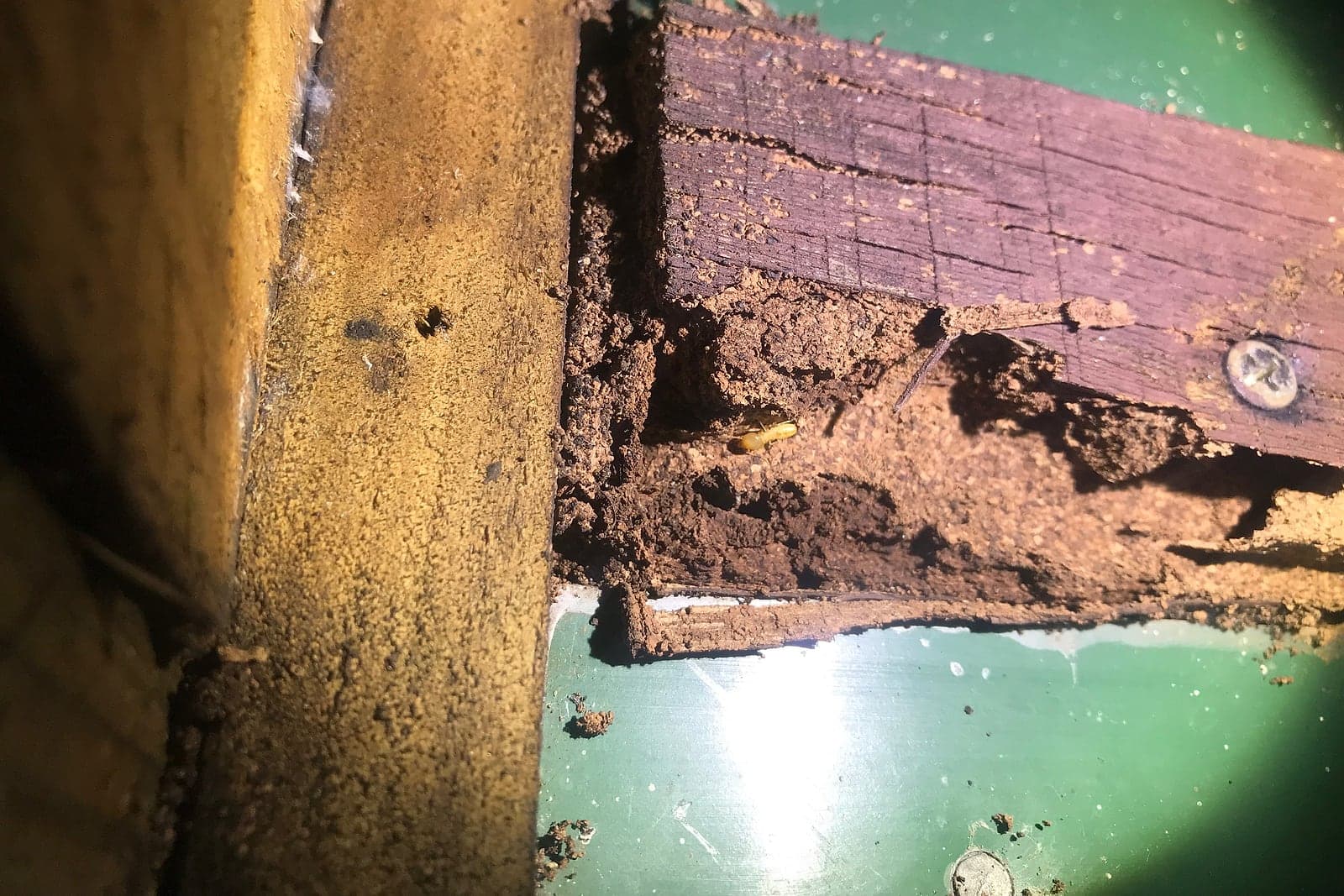
For a landlord, the building itself is the asset, and some pests threaten it directly. Termites can cause serious structural damage to timber before anyone notices, which is why a regular timber pest inspection is one of the smartest things an owner can arrange. Rodents chew wiring, insulation and cabinetry, and ongoing ant, cockroach and spider pressure makes a home harder to lease.
Brisbane's warm, humid climate keeps many pests active across a long season, so pressure rarely lets up. Treating the property on a sensible schedule keeps small problems from becoming expensive ones. A general pest treatment covers the common surface pests, while termite protection is a separate job that guards the structure. Both belong in the maintenance plan for a rental you intend to hold.
Who arranges and pays for pest control
This is the question that causes the most confusion, and the honest answer is that it depends. As a general expectation, a landlord is usually responsible for keeping the property in good repair and free of pests at the start of a tenancy, and for issues tied to the building itself, such as termites or rodents getting in through structural gaps. Ongoing general upkeep and everyday hygiene often sit more with the tenant.
Responsibility can also shift when a tenant causes the problem. A common example is fleas introduced by a pet, where the cost of treatment frequently falls to the tenant who kept the animal. None of this is fixed law you can assume, though. The lease agreement and the current Queensland residential tenancy rules govern who does what, so tenants and landlords should read the lease and check the current rules rather than relying on a rule of thumb.
The value of a scheduled treatment between tenancies
The gap between one tenant moving out and the next moving in is the ideal time to treat a property. It is usually vacant, so a technician can work through the whole home without disruption, and the incoming tenant arrives to a fresh, well-maintained place.
Building a general pest treatment into your standard turnover process, alongside cleaning and any repairs, means the property never accumulates pest pressure across multiple tenancies. For owners who prefer not to remember each cycle, an ongoing arrangement with a set interval takes the guesswork out. It is far cheaper to stay ahead of ants, cockroaches and rodents than to clear an entrenched problem later.
End of lease flea and pest treatments
Many leases, particularly where a pet has been kept, call for a professional flea or pest treatment when the tenant moves out. Fleas can persist in carpets and soft furnishings long after a pet has gone, so an end of lease flea treatment is a practical way for a departing tenant to leave the property in the condition the agreement expects. It also helps avoid disputes over the bond.
The important part is proof. Whoever arranges the treatment should keep the tax invoice or receipt from the pest control provider, because agents and landlords commonly ask to see it as evidence the work was done by a professional. Our end of lease pest control service is set up for exactly this, and we provide a receipt you can hand straight to the property manager.
Keeping records that protect everyone
Good records turn a potential argument into a simple paper trail. For landlords and property managers, a file of dated invoices showing regular treatments demonstrates the property has been properly maintained. For tenants, a receipt for an end of lease treatment is direct evidence they met their obligations.
Keep the invoice for every treatment, note what was covered and when, and store it with the tenancy paperwork. If a dispute over pests or bond ever arises, the record shows who arranged what and when. Ask your provider for a clear itemised invoice that names the property, the date and the service carried out.