
On this page · 5 sections
The signs most people walk past
The clearest early sign is droppings. German cockroach droppings look like ground pepper or coffee grounds scattered in drawers, along the edges of cupboard shelves, and in corners near food. Larger species leave small dark cylindrical droppings. Alongside these you may find egg cases, which are small brown capsules, and shed skins, because roaches moult as they grow. Both often collect in the same hidden spots.
As numbers build, a musty, oily smell settles into the affected area. It is subtle at first and easy to blame on the bin or the drains, but it strengthens as the population grows. If you can smell it, the infestation is already well established.
Daytime sightings and where they cluster
Cockroaches are nocturnal by nature, so seeing one during the day is a warning sign rather than a coincidence. It usually means the harbourage is crowded and roaches are being pushed out to find food and space. A daytime sighting points to a bigger hidden population than the one you can see.
They cluster around warmth and moisture. Check behind and underneath the fridge, around the dishwasher, under the kitchen sink, and near the hot water system. The motor heat and condensation in these spots give them everything they need. These are the areas to inspect first, and the areas that treatment has to reach.
German versus American cockroaches
The species matters because it changes where the problem lives and where you treat. German cockroaches are small, light brown, and breed rapidly indoors. They stay close to food and warmth, so kitchens and bathrooms are their strongholds, and they are the species behind most stubborn indoor infestations.
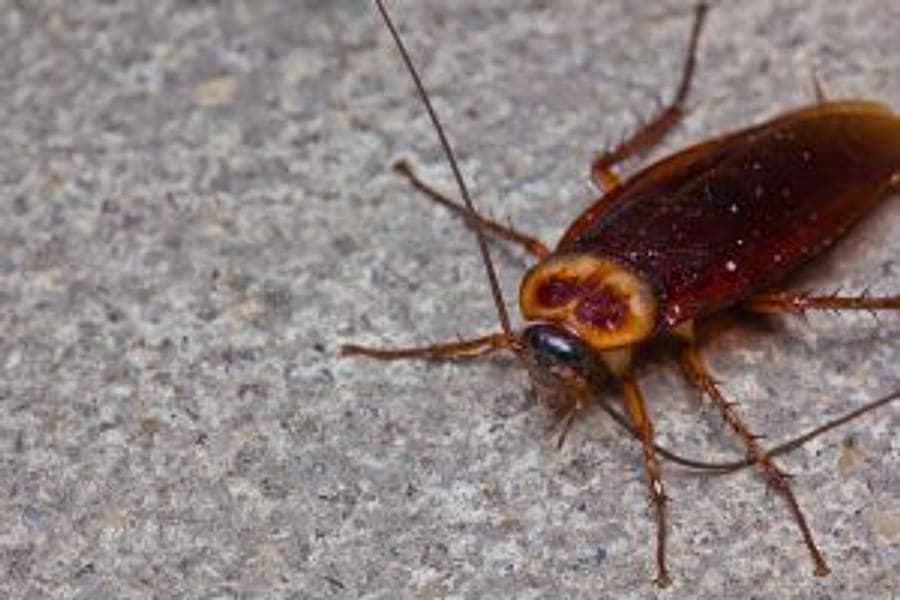
American cockroaches are much larger and reddish brown. They prefer drains, sub-floors, and garden areas, and they tend to come indoors from outside. Treating a German cockroach problem like an American one, or the reverse, wastes effort. A correct identification is the first step in any effective cockroach control plan.
Why they are a health and hygiene risk
Cockroaches are not just unpleasant, they are a genuine hygiene concern. They move between drains, bins, sub-floors, and the surfaces where you prepare food, carrying bacteria on their bodies as they go. That contamination lands on benchtops, in cupboards, and on utensils.
Their droppings and shed skins can also aggravate asthma and allergies, particularly in children and anyone sensitive. In a subtropical climate like Brisbane, where roaches stay active for most of the year, letting an infestation run unchecked keeps that risk in your kitchen day after day.
Why supermarket sprays keep failing
A can of surface spray kills the roaches you can see, which feels like progress, but it rarely touches the harbourage where they breed. The egg cases are protected and unaffected by most surface products, so a fresh generation hatches within weeks and the numbers rebound. You end up spraying on repeat while the core population sits safely behind the appliances.
A licensed professional works differently. The treatment targets the harbourage and the runs the roaches actually use, with products chosen for the species and applied where they nest. It is worth calling a pro when sightings continue despite your own efforts, when you see roaches during the day, or when droppings and egg cases keep reappearing. General pest treatments start from $180 for a standard home, and a general pest control visit covers cockroaches alongside other common household pests.