Bald Hills marks the northern edge of Brisbane City Council, sitting against the South Pine River and the wetland and drainage reserves that run along it before the Bruce Highway and Gympie Road cross into Moreton Bay. Parts of the suburb are recognised flood-affected land on the river flats, and the topography drops noticeably from the older ridge housing down toward the water. Lot sizes vary widely, from standard post-war and 1970s blocks to semi-rural parcels with sheds, water tanks and unmown boundaries.
Those conditions produce a distinct pest profile. Persistently moist soil near the river keeps subterranean termite colonies foraging through periods when drier suburbs slow down, and timber sheds, fence posts and stored hardwood on larger blocks give them a food source right next to the house. After heavy rain, water sits in low ground, table drains and gutters long enough to complete a mosquito breeding cycle, and residents notice it within a fortnight. Rodents live year-round in the grassed reserves and drainage channels, then move into roof voids, sheds and subfloors when the weather cools or the ground floods.
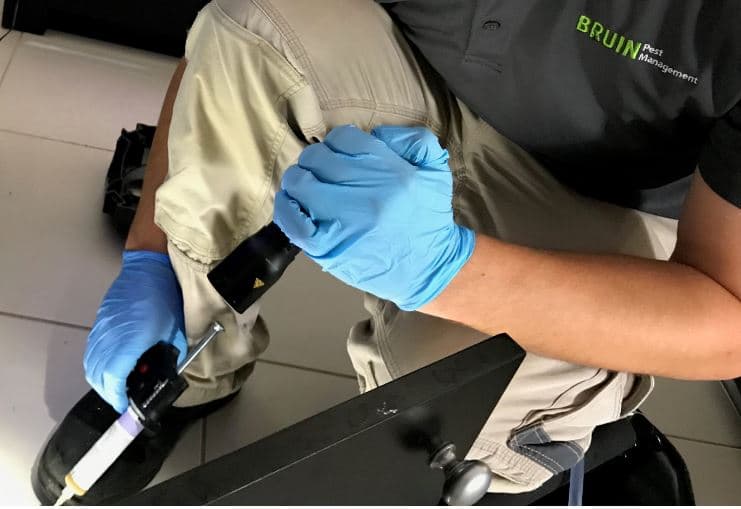
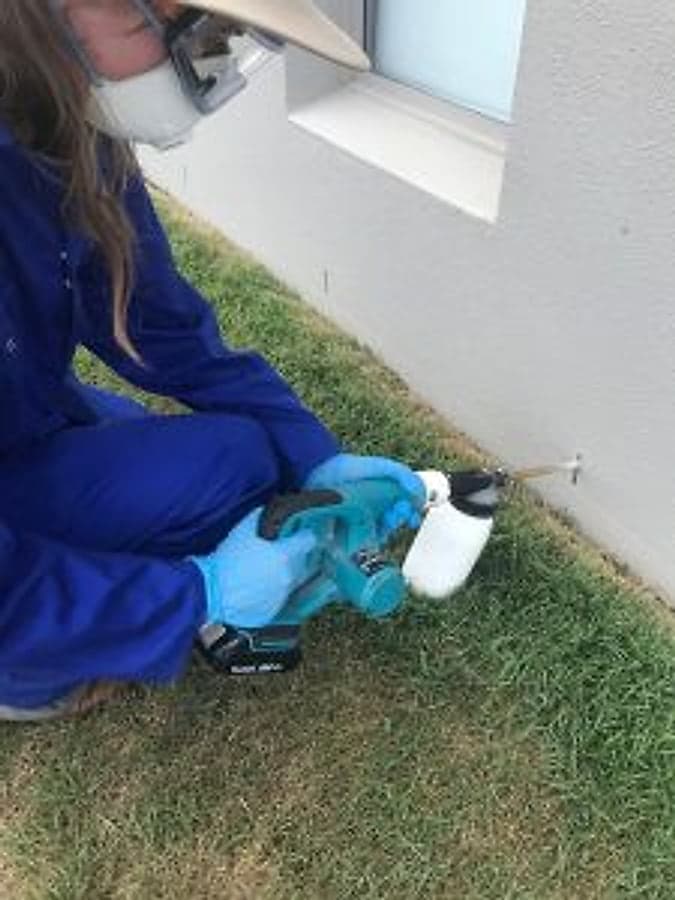
The practical impact is that a single indoor treatment achieves very little here: the pressure is coming from outside the building envelope. Our pest control in Bald Hills is built around that. We assess drainage, standing water, grass lines and outbuildings before quoting; we treat harbourage and breeding sites rather than only the interior; and we identify roof, eave and shed entry points as part of rodent work, quoting proofing onsite where the building needs sealing. For termite inspection in Bald Hills, we pay particular attention to subfloor moisture, weep holes below finished ground level and any timber in soil contact, because those are the details that decide whether a colony reaches your framing.
Bald Hills was named for the cleared ridges early travellers used on the northern route out of Brisbane, and it served for decades as a river-crossing and farming district on the South Pine River before post-war suburban growth arrived. Its position at the junction of Gympie Road and the Bruce Highway, and at the northern limit of Brisbane City Council, kept a semi-rural character in parts of the suburb long after neighbouring areas were fully subdivided. That mix of floodplain land, acreage remnants and standard housing is what makes pest control in Bald Hills so heavily weighted toward rodents, mosquitoes and moisture-driven termite activity.