Brighton fronts Bramble Bay at the mouth of the Pine River, within Brisbane City Council, and its foreshore includes tidal flats, mangrove and saltmarsh habitat protected as part of the Moreton Bay environment. The land is low and flat, the water table is correspondingly high, and the housing is a mix of post-war timber cottages on low stumps, mid-century brick homes and more recent slab-on-ground infill, often on modest blocks with mature coastal gardens.
That setting drives a genuinely different pest profile from inland North Brisbane. Saltmarsh mosquitoes breed in tidally inundated flats and can travel well beyond the foreshore, so summer activity is intense and not solved by tipping out one pot plant saucer. Biting midge activity around dawn and dusk follows the same tidal pattern. On the structural side, damp subsoil and poor subfloor ventilation keep timber moist, which is exactly what subterranean termites need, and many Brighton cottages have had their under-house area partially enclosed for storage or an extra room, which traps that moisture and hides the stumps and bearers a technician would otherwise inspect. Rodents use the foreshore reserve and stormwater network as permanent harbourage.
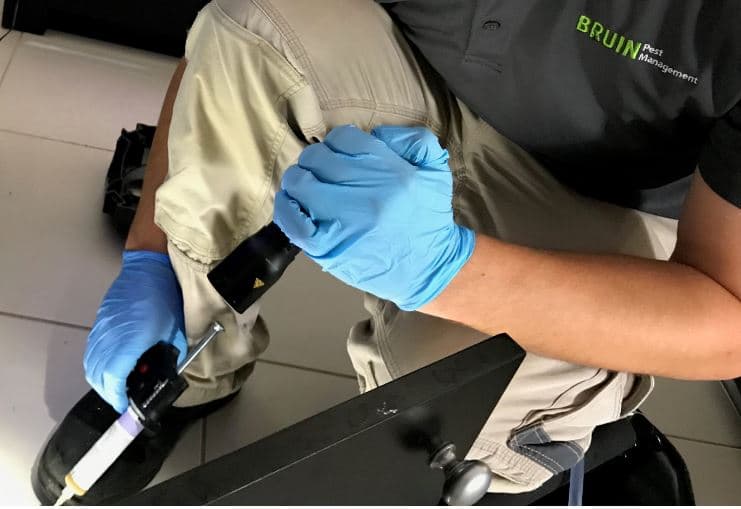
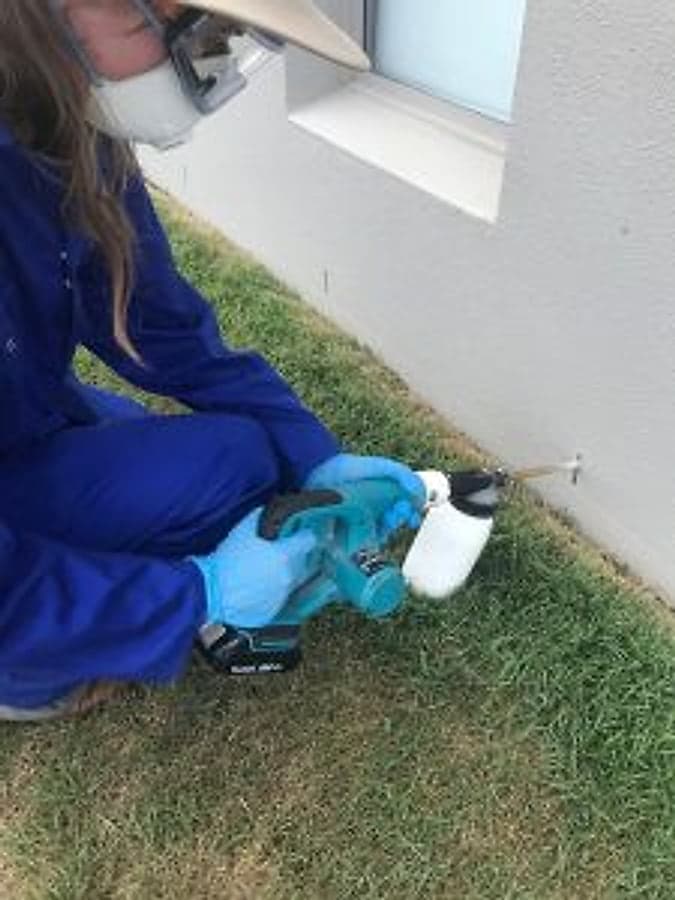
For owners, the impact is both comfort and structure: an unusable yard through summer, and termite damage developing in stumps and bearers where nobody can see it. Our pest control in Brighton is adapted accordingly. Mosquito work combines breeding-site reduction on your property with treatment of the shaded resting zones adults use during the day, repeated through the season where pressure is high. Termite inspection focuses on subfloor moisture and ventilation, timber in ground contact and any enclosed under-house area, and where the subfloor has been built in, we will tell you honestly what can and cannot be seen, and what a monitored baiting system would cover instead.
Brighton developed as a bayside settlement on Bramble Bay from the late nineteenth century, initially as a seaside destination reached by rail and road from Brisbane, and grew steadily through the post-war decades as a residential suburb of modest timber cottages and later brick homes. Its foreshore, esplanade and tidal flats remain defining features and form part of the internationally recognised Moreton Bay wetland environment. Now within Brisbane City Council, Brighton retains a low-lying, coastal character, which is exactly the condition set that makes pest control in Brighton so focused on moisture, mosquitoes and subfloor termite risk.