Sandgate is one of Brisbane's oldest bayside settlements, established in the nineteenth century as a seaside town on Bramble Bay and connected to the city by rail in the 1880s. That history is visible in the housing: a concentration of late-Victorian, Federation and early-twentieth-century timber cottages and Queenslanders on stumps, many within a heritage character streetscape, alongside post-war homes and a small amount of later infill. The suburb sits low and flat against the foreshore, tidal flats and Cabbage Tree Creek mouth, within Brisbane City Council.
The pest implications are driven by age plus moisture. A high water table and flat, poorly drained ground keep subsoil damp, which is exactly what subterranean termites require, and the structural timber they feed on sits only a short distance above it in the form of original hardwood stumps, bearers and floor framing. A century of alterations has added more timber: verandah enclosures, rear extensions, built-in under-house laundries and rumpus rooms. Critically, those changes have also removed inspection access in many properties, so activity can develop unseen, and heritage character controls mean owners cannot always alter a building freely to remove risk. Separately, the foreshore reserve, saltmarsh and stormwater network sustain rodent populations and mosquito breeding within easy reach of housing, and coastal humidity keeps silverfish and cockroach pressure high in storage areas.
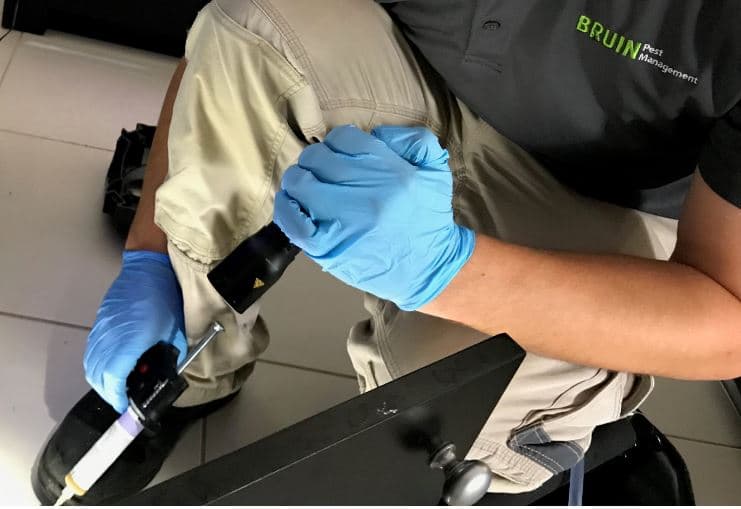
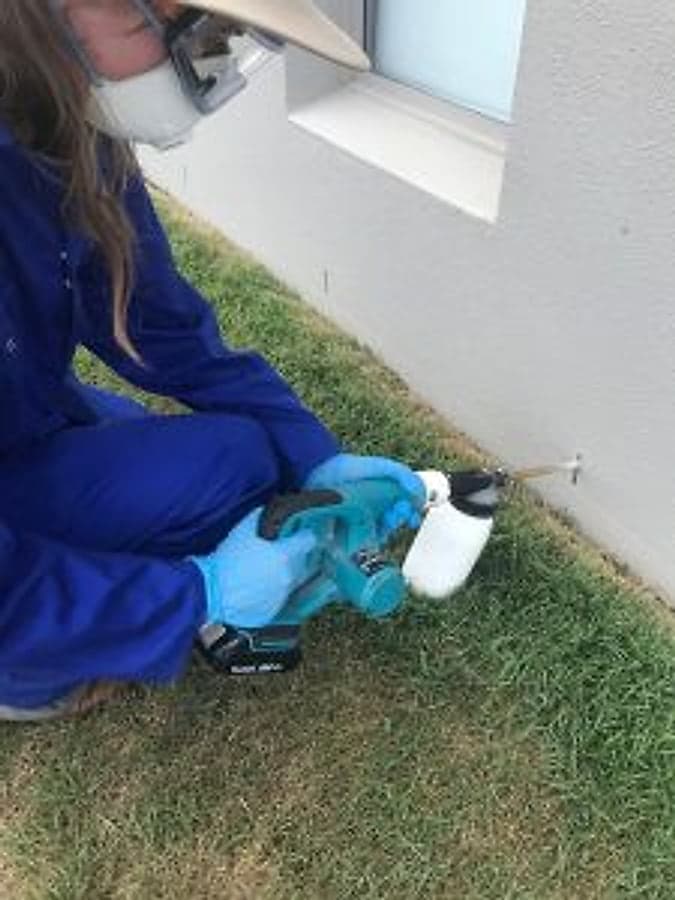
For Sandgate owners, the financial exposure is real: repairs to original stumps, bearers and floor framing are costly and excluded from standard home insurance, and damage in a character home is not simply swapped out. Our pest control in Sandgate is therefore inspection-led. We get under the house where access allows, take moisture and ventilation readings, physically check stumps and bearers, and inspect every extension junction. Where a section has been built in, we record that limitation plainly rather than glossing it, and we set out what a monitored baiting system would protect instead. Rodent work pairs baiting with an entry-point check at stump lines, vents and eaves, which is where these houses actually let them in, and we quote proofing onsite where the building needs sealing.
Sandgate developed from the 1860s as one of Brisbane's earliest seaside destinations, growing rapidly after the railway arrived in 1882 and operating as its own town council until amalgamation into greater Brisbane in 1925. Its town hall, Federation-era shopfronts, foreshore parkland and concentration of nineteenth and early twentieth century timber housing remain defining features, and much of the suburb carries heritage character status under Brisbane City Council planning. That combination of very old timber housing and a low, damp bayside setting is precisely what shapes pest control in Sandgate.